


-

Add: HeBei ShengShi HongBang Cellulose Technology CO.,LTD.
-

Email
13180486930@163.com -

CONTACT US
+86 13180486930


Fiberglass for Concrete Mix Enhancing Strength and Durability Concrete is one of the most widely used construction materials in the world, known for its strength and versatility. However, it does have its limitations, such as brittleness, susceptibility to cracking, and overall weight. To tackle these challenges, the incorporation of fiberglass into concrete mixes has emerged as a game-changing solution that boosts performance while maintaining the same traditional characteristics of concrete. What is Fiberglass? Fiberglass, or glass fiber, is a reinforced plastic material composed of fine fibers of glass. It is known for its high strength-to-weight ratio, excellent resistance to corrosion, and impressive insulation properties. When added to concrete mixes, fiberglass can significantly enhance the material's overall performance, making it a popular choice in various construction applications. Benefits of Fiberglass in Concrete Mixes 1. Improved Tensile Strength One of the most significant advantages of incorporating fiberglass into concrete is the enhancement of tensile strength. Traditional concrete tends to be strong in compression but weak in tension, which can lead to cracks and structural failures. By adding fiberglass, the tensile strength increases, making the concrete more resistant to stress and load-bearing requirements. 2. Reduced Shrinkage and Cracking Fiberglass acts as a reinforcement that helps to minimize shrinkage during the curing process. This reduction in shrinkage translates to a decreased risk of cracking, which is often a common issue in standard concrete mixes. By effectively controlling cracking, fiberglass-reinforced concrete extends the lifespan of structures and reduces the need for repairs. 3. Lightweight Composition The lightweight nature of fiberglass compared to traditional reinforcement materials like steel means that concrete mixes can maintain lower overall weight. This can reduce the structural load on foundations while still providing the necessary strength and durability. Such lightweight composition is particularly advantageous in projects where load restrictions are critical. fiberglass for concrete mix 4. Enhanced Durability Fiberglass is naturally resistant to corrosion and chemical attack, which can often plague concrete exposed to harsh environmental conditions. By incorporating fiberglass, the resulting concrete becomes more robust against moisture penetration, temperature fluctuations, and aggressive chemicals, making it ideal for use in areas such as coastal regions, industrial sites, or places with severe weather. 5. Cost-Effectiveness While there may be initial costs associated with adding fiberglass to concrete mixes, the long-term savings are significant. The durability and reduced maintenance associated with fiberglass-reinforced concrete often lead to lower repair and replacement costs over the lifecycle of a structure. Additionally, the efficiency of construction and the potential reduction in material usage can further offset expenses. Applications of Fiberglass-Reinforced Concrete The application of fiberglass in concrete mixes spans across various sectors including residential, commercial, and industrial construction. From precast concrete products to architectural elements, such as facades and sculptures, fiberglass enhances the performance and aesthetic appeal of concrete structures. One notable application is in the construction of pavements and flooring systems. The addition of fiberglass not only improves the structural integrity but also provides slip resistance, ensuring safety in both industrial and commercial environments. Moreover, the use of fiberglass in thin overlays and shotcrete processes shows significant promise, allowing for quick application with high durability. Conclusion In conclusion, the integration of fiberglass into concrete mixes presents a wealth of benefits that significantly enhance the material's performance. Improved tensile strength, reduced shrinkage, enhanced durability, and lightweight composition make fiberglass-reinforced concrete an excellent choice for modern construction projects. As the construction industry continues to evolve, adopting innovative materials like fiberglass will be crucial in meeting the demands for stronger, more resilient, and cost-effective building solutions. By embracing these advancements, engineers and architects can create structures that not only stand the test of time but also contribute to more sustainable development practices.
- 40000tons

Production
- 20+years

Experience
- 5000+㎡

Acreage

-
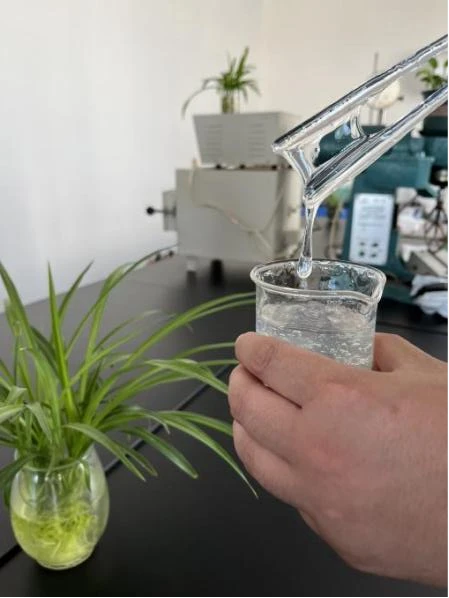
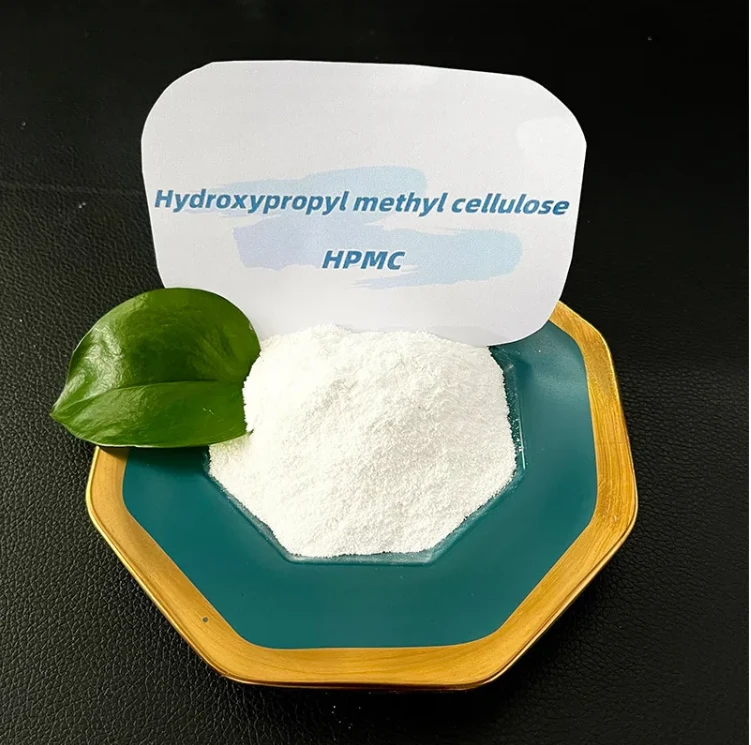
Hydroxypropyl methylcellulose (HPMC) is a versatile, eco-friendly ingredient . This cellulose derivative is known for its exceptional performance in construction. Its unique properties, such as water retention, adhesion, and thickening ability, make it an essential component for improving the quality and durability of products. Whether you're working on building materials, tile adhesives, or wall coatings, hydroxypropyl methylcellulose can elevate the performance and efficiency of your materials. Discover the many benefits of hydroxypropyl methylcellulose and see how it can enhance your business operations. Hydroxypropyl Methylcellulose Uses in Construction In the construction industry, hydroxypropyl methylcellulose uses are critical to improving the quality and performance of building materials. HPMC is widely used in cement-based products such as tile adhesives, plaster, and grout due to its excellent water retention, enhanced workability, and extended open time. By incorporating hydroxypropyl methylcellulose into your construction materials, you can improve adhesion, reduce cracking, and increase the durability of your products. Hydroxypropyl methylcellulose uses in construction also include its role as a binder and thickener in paints and coatings, where it helps create a smooth, consistent finish. Enhance your construction projects with the superior properties of hydroxypropyl methylcellulose . Find the Best Hydroxypropyl Methylcellulose Price for Your Budget When looking for hydroxypropyl methylcellulose price , it’s important to find a supplier that offers high-quality products at competitive rates. The hydroxypropyl methylcellulose price can vary depending on the grade, quantity, and application, but you can trust us to provide transparent pricing that fits your budget. Our prices reflect the quality and reliability of the material, ensuring that you get the best value for your investment. Whether you need small quantities or large volumes, we offer affordable solutions without compromising on quality. Contact us today to learn more about our hydroxypropyl methylcellulose price and how we can support your projects. Reliable Hydroxypropyl Methylcellulose Suppliers for Your Needs Finding trustworthy hydroxypropyl methylcellulose suppliers is crucial for ensuring the success of your projects. As one of the leading hydroxypropyl methylcellulose suppliers , we provide a wide range of high-quality HPMC products designed to meet the diverse needs of various industries. Our hydroxypropyl methylcellulose is sourced from reputable manufacturers and undergoes rigorous quality control to ensure consistency and performance. Whether you're in construction, pharmaceuticals, or another industry, we are your go-to partner for reliable, top-grade HPMC. With our fast delivery, competitive pricing, and expert customer service, we make sourcing hydroxypropyl methylcellulose easy and hassle-free. Why Choose Us for Your Hydroxypropyl Methylcellulose Needs? When it comes to hydroxypropyl methylcellulose , you need a supplier you can trust. We are committed to providing the highest quality HPMC products at the best hydroxypropyl methylcellulose price . Our expertise in the field ensures that we meet the specific requirements of our customerss. As leading hydroxypropyl methylcellulose suppliers , we offer a wide range of grades to suit your needs, backed by excellent customer support and fast, reliable shipping. Choose us for all your hydroxypropyl methylcellulose requirements and experience the difference in quality, price, and service.
-
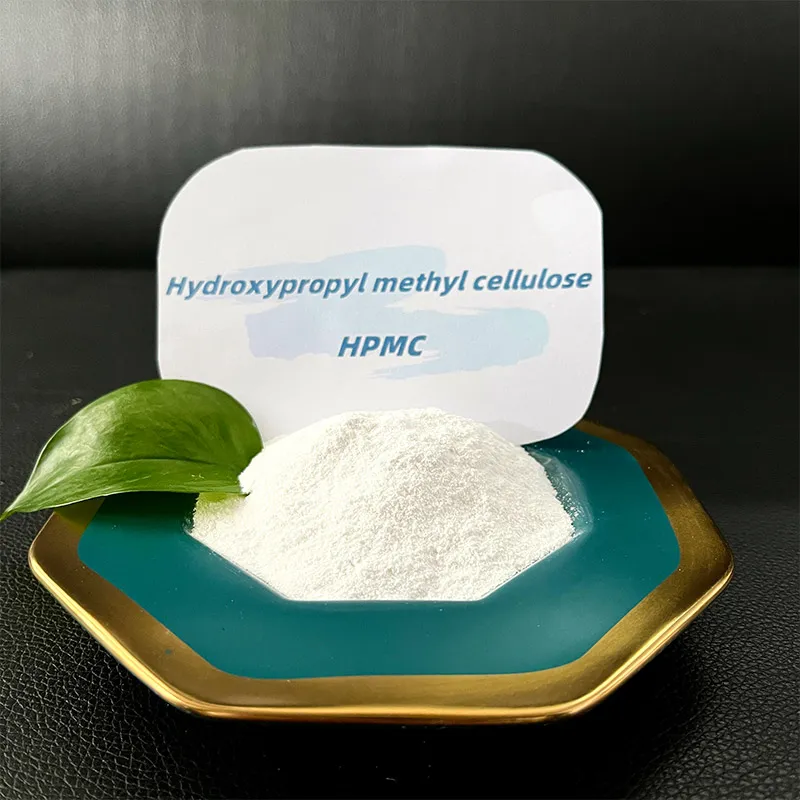
HPMC Dextran is the innovative addition to the pharmaceutical excipients' domain that is capturing significant attention due to its versatile applications and unparalleled quality. Leveraging real-world experience combined with profound expertise in the field of pharmaceutical science, the exploration of HPMC Dextran offers insightful revelations into its potential benefits and applications. HPMC (Hydroxypropyl Methylcellulose) Dextran is an intelligent combination of two well-established pharmaceutical excipients HPMC and dextran. This unique hybrid formulation marries the gel-forming, stabilizing properties of HPMC with the biocompatibility and low-immunogenicity characteristics of dextran. The result is a compound that significantly enhances the functionality and efficacy of therapeutic drugs, creating new possibilities in drug development and formulation. The experience-driven exploration of HPMC Dextran highlights its remarkable ability to improve the solubility and bioavailability of hydrophobic drugs. This property is particularly important for oral and injectable drug formulations where solubility can be a limiting factor. Formulators have reported enhanced patient outcomes in trials of drugs using HPMC Dextran due to its exceptional capacity to optimize drug release profiles, leading to steady drug concentrations in the bloodstream. Going beyond solubility enhancement, HPMC Dextran offers significant improvements in the stability of sensitive drug molecules. This compound protects active pharmaceutical ingredients (APIs) against degradation caused by environmental factors such as light, heat, and pH variations. Its film-forming ability ensures a robust protective barrier around APIs, prolonging their shelf-life and maintaining their therapeutic efficacy. This attribute is substantiated by authoritative reports from stability studies showcasing a reduction in degradation rates of key APIs when incorporated into HPMC Dextran matrixes. hpmc dextran Trustworthiness in pharmaceutical excipients is paramount , and HPMC Dextran shines with its proven safety profile. This compound has passed rigorous toxicological evaluations and is recognized for its non-cytotoxicity, non-immunogenicity, and biodegradability. Pharmaceutical developers trust HPMC Dextran not only for the safety it provides but also because it aligns well with the stringent regulatory requirements globally. Detailed safety assessments have reiterated its compatibility with a wide range of APIs, further validating its standing as a reliable and trustworthy excipient choice. Professionals exploring the application of HPMC Dextran can testify to its seamless integration into existing pharmaceutical production processes. With minimal requirement for additional infrastructure or re-calibration, adapting formulations to include HPMC Dextran is cost-effective and efficient. The excipient responds well to conventional and advanced manufacturing technologies such as 3D printing, thus supporting innovative formulation techniques that are reshaping modern drug development. HPMC Dextran stands out as a cornerstone in the ever-evolving pursuit of superior pharmaceutical formulations. By embracing this advanced excipient, pharmaceutical developers access an unprecedented opportunity to enhance drug performance and patient satisfaction. It is an embodiment of progress intersecting with demand, where established scientific principles meet real-world application, underscored by the trust it earns from researchers and manufacturers worldwide. The journey with HPMC Dextran is just beginning, promising an era of greater possibilities and achievements in pharmaceutical sciences.
advantages
-

200000 Viscosities
Excellent product
We can produce pure products up to 200,000 viscosities
-

40000 tons
High yield
We don’t stop production all year round, and the annual output can reach 40,000 tons
-

24 hours
Quality service
We provide 24-hours online reception service, welcome to consult at any time
———— Inquiry Form
Schedule A services

-
 polyelectrolyte_cationic_powder
Oct . 25, 2025
The Exploration of VAE for Dimensionality Reduction In the field of machine learning, Variational Au -
 what_is_cellulose_wood_pulp
Oct . 25, 2025
Unveiling the Potential of HPMC E5 in Modern Industries Hydroxypropyl Methylcellulose (HPMC) E5 is g -
 hpmc_2910
Oct . 25, 2025
Hydroxypropyl Methylcellulose, commonly referred to by its INCI name HPMC, is an ingredient widely u


